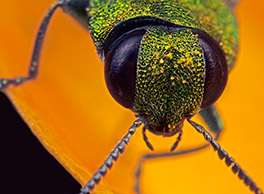
 When you think about photographing flowers, you probably think about capturing their vibrant colors and how they contrast against the landscape around them. Most things in nature have evolved to blend in with their environment, but flowers have evolved to stand out from the crowd by displaying some of the most wonderful colors found in nature.
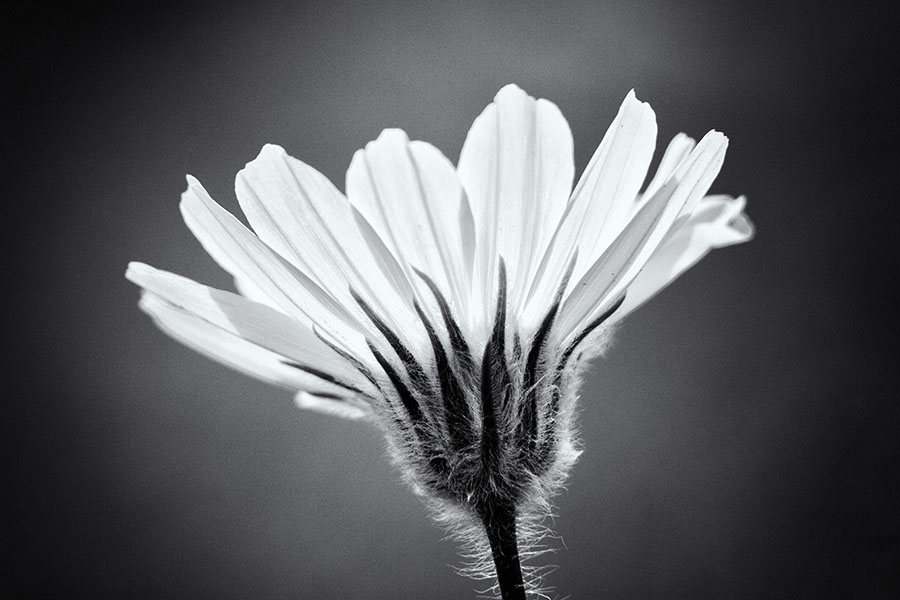
So, the thought of creating black and white images of flowers might sound crazy. But, it’s a great way to draw the viewer’s attention to other aspects of the flower. By de-emphasizing color, you move that emphasis to other things.
For example, consider the black and white photo above of a Desert Sunflower and compare it with a few color images of the same type of flower: [Read more…] about Flowers in Black and White
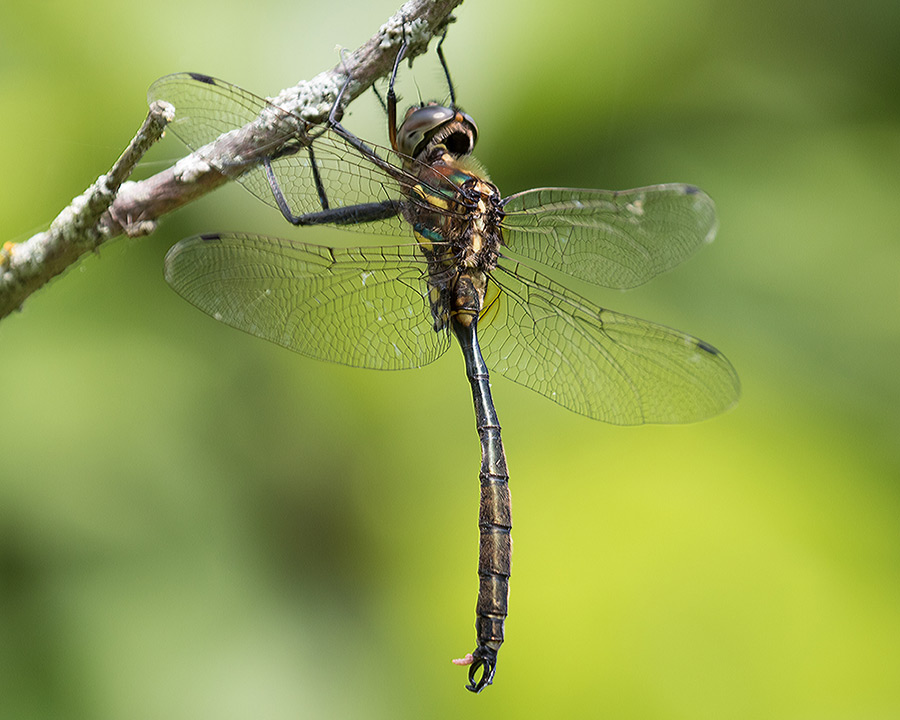 One thing many of us forget to consider is the background in a photo. We focus (literally and figuratively) on the main subject and feel gratified that we can get the whole subject in the frame and it’s sharp and properly exposed. Let me show you an example of how easy it can be to make a significant difference in your photos. In this case, we’ll be talking about an application related to macro work and dragonfly photography.
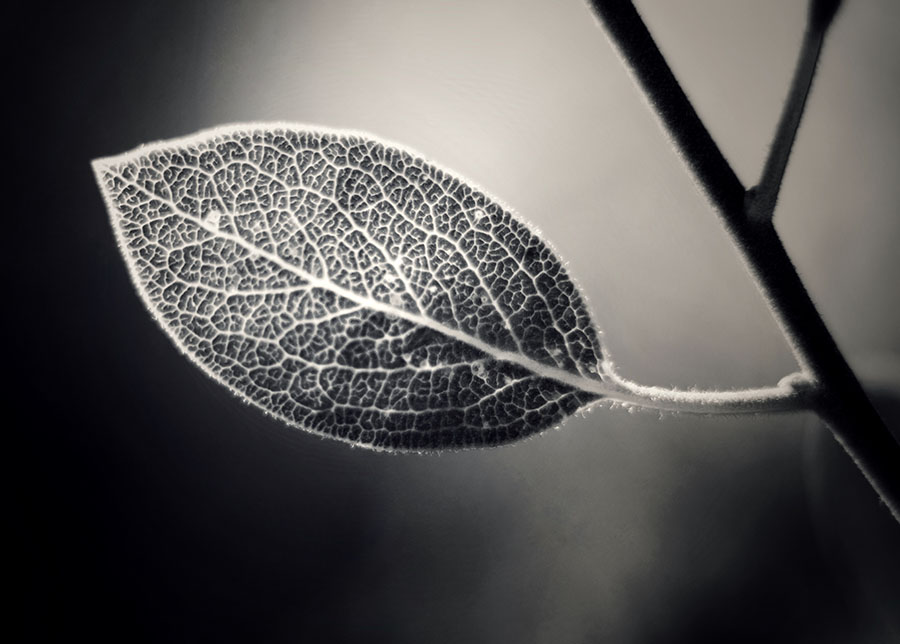 The more I photograph nature, the less I’ve been concerned about sharpness. It’s not out of laziness, but from the realization that relative sharpness is much more important than absolute sharpness.
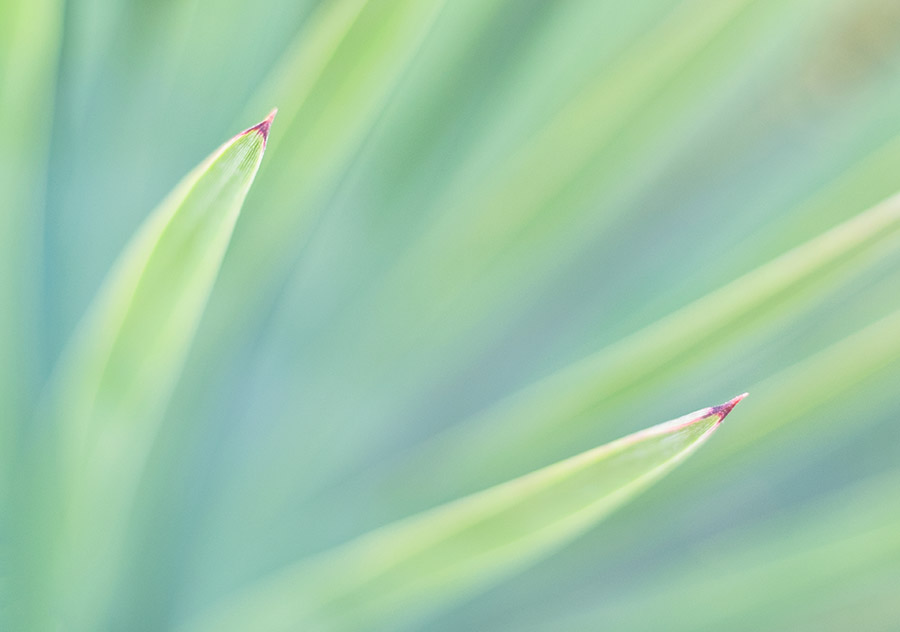 Close-up and macro photography is one of the most popular ways to capture the beauty of nature: whether it’s photographing tiny insects to show their amazing detail or just a simple close-up of a plant (like the Yucca leaves above).
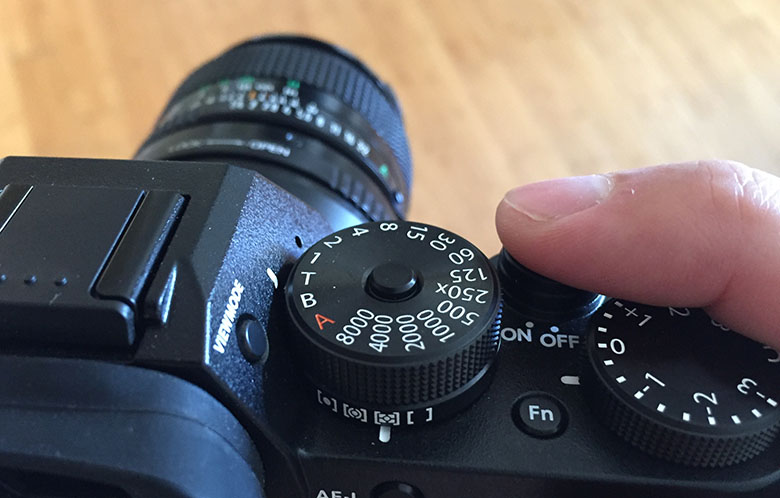 Pressing the shutter button to snap a photo seems like the most simple part of photography. I mean, you just “press the button” — right?